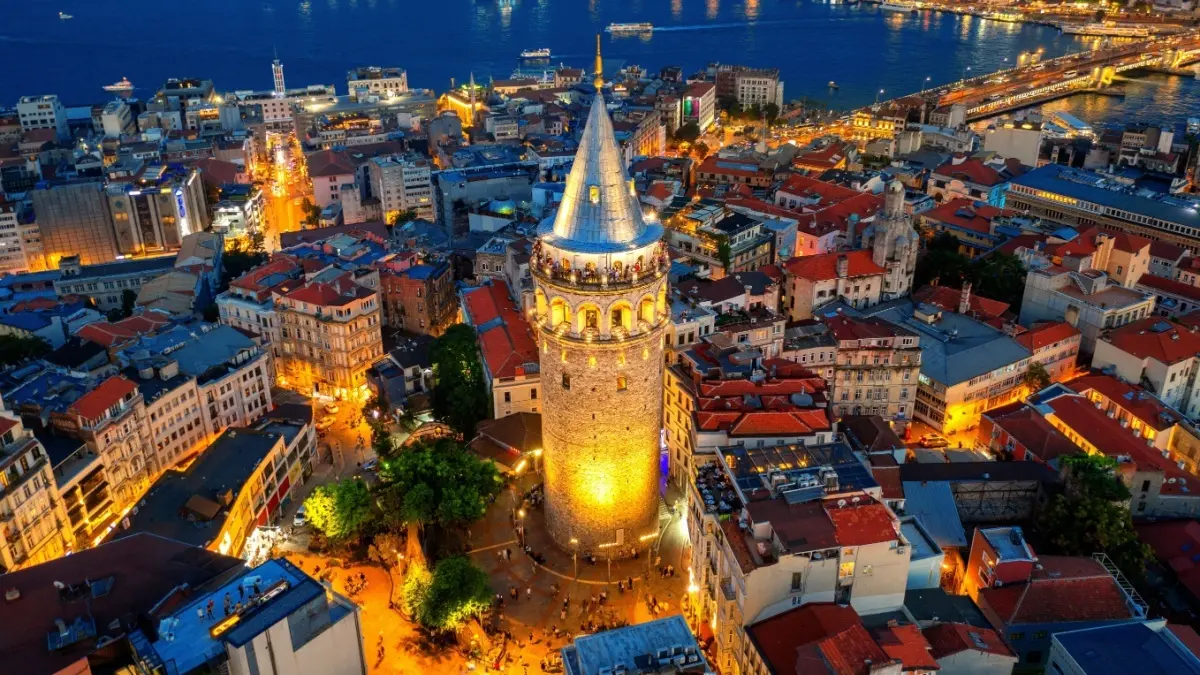
Most first-time visitors arrive in Istanbul with a list that would fill a fortnight and a flight home in three days. The good news is that three days, planned well, is enough to see the city properly: its imperial heart, its life on the water and at least one side of Istanbul that most visitors never reach. The bad news is that the order matters more than the list. Opening days, prayer times, traffic and the weekly rhythm of the city decide whether a day flows or stalls.
This is the three-day plan we build most often for guests at Tolga Travel Atelier, shaped by the way Tolga has guided private journeys through the city since 1998. Treat it as a framework rather than a timetable; the best version is the one rearranged around you.
Is three days enough for Istanbul?
Three days is enough for a rich first visit, provided they are full days and you are not trying to see everything. You will cover the Historic Peninsula, the Bosphorus and the European side’s newer districts, plus a third day that takes you either across to Asia or deeper into the city’s sacred history. What three days will not give you is slack: a late start, a long queue or a closed palace costs more than it would on a week-long stay. That is the real argument for a private guide and driver on a short visit. They remove the waiting, the wrong turns and the guesswork, so the time you have goes on the city itself.
If you can add a fourth day, the pace changes from efficient to relaxed. We cover that option further down.
How should you split three days in Istanbul?
The simplest structure follows the city’s layers:
- Day 1: The Historic Peninsula. Roman, Byzantine and Ottoman Istanbul in one compact district.
- Day 2: Palaces, the Bosphorus and the European side. Dolmabahçe, the water, the Spice Bazaar, Balat and Galata.
- Day 3: Your choice. The Asian shore for palaces, quiet neighbourhoods and local life, or sacred Istanbul for mosques, churches and the Patriarchate.
Each day matches one of our private Istanbul tours, so the plan below also shows how we put a stay together in practice.
Day 1: Where does an Istanbul itinerary begin?
It begins where the city did, on the Historic Peninsula. Within a short walk of each other stand Topkapı Palace, Hagia Sophia, the Blue Mosque, the Hippodrome, the Basilica Cistern and the Grand Bazaar. Seen in sequence, they tell one continuous story: the Roman city, the Byzantine capital built on top of it and the Ottoman empire that inherited both.
Start early at Topkapı, before the tour groups arrive, and give it the morning. The courtyards, the Harem and the terraces above the Bosphorus repay time, and the palace is far calmer at opening than at noon. Hagia Sophia and the Blue Mosque follow, timed around prayer, with the Hippodrome between them. After lunch, the Basilica Cistern offers a cool, atmospheric hour underground, and the day ends in the covered streets of the Grand Bazaar, ideally with a guide who knows which workshops are worth the detour.
This is the route of our 3 Empires, 1 Capital day, designed as a single narrative rather than a checklist of monuments. For a closer look at the district itself, read our guide to discovering Istanbul’s Old City.
Day 2: How do you see the Bosphorus and the European side?
Day two moves from the empire’s beginnings to its final century. Dolmabahçe Palace, built in the 1800s on the European shore, shows how the late Ottoman court looked west: crystal, gilt and a ceremonial hall that still stops visitors in their tracks. From there, the day belongs to the water.
A private Bosphorus cruise is the single best way to understand Istanbul’s geography. Two continents, waterfront mansions, fortresses and bridges pass in one unhurried stretch, and you see why the city has mattered to every empire that held it. Back on land, the Spice Bazaar brings colour and scent, Balat adds steep streets of painted houses, and the evening finishes around Galata and İstiklal Street, where the city’s modern life is loudest.
This is the shape of our Euriental Istanbul day. Our piece on experiencing the Bosphorus explains why the water deserves a full part of your stay, not a hurried hour.
Day 3: Asian shore or sacred Istanbul, which should you choose?
By the third day, most guests are ready for something less obvious. There are two strong options, and the right one depends on what has caught your interest so far.
The Asian shore suits travellers who want to see how Istanbul lives. Cross to Beylerbeyi Palace, the Ottoman summer residence on the water, then walk the village lanes of Kuzguncuk, climb Çamlıca Hill for the widest view of the city, and end in Kadıköy, where the market streets belong to residents rather than visitors. It is the most relaxed day of the three and a good counterweight to the first two. See Asian Istanbul.
Sacred Istanbul suits travellers drawn to the city’s layered faiths. The day connects the Süleymaniye Mosque, Sinan’s masterpiece above the Golden Horn, with Chora, the Bulgarian St. Stephen Church, the Ecumenical Patriarchate and the Church of St. Anthony. It is a story of coexistence told through architecture. See The Spiritual Istanbul.
Both options reach parts of the city that our guide to going beyond the Historic Peninsula describes in more depth.
Which days of the week change the plan?
This is where most self-planned itineraries go wrong. Istanbul runs on a weekly rhythm, and a few fixed closures decide the order of your days:
- Topkapı Palace is closed on Tuesdays. Do not schedule the Historic Peninsula day on a Tuesday.
- Dolmabahçe Palace is closed on Mondays. Keep the palaces and Bosphorus day away from Mondays.
- The Grand Bazaar is closed on Sundays. A Sunday on the Peninsula works, but the bazaar will not.
- Friday midday prayers close the mosques to visitors for longer than on other days, so mosque visits on a Friday are best kept to the morning or late afternoon.
In practice, we simply reorder the three days around your arrival date. On our single-day tours, the rule is just as simple: if your day falls on a palace’s closing day, we visit the other palace instead and the rest of the programme stays the same. Mosque visits also pause briefly for each of the five daily prayers, which a good guide plans around without you noticing.
What should you know before you go?
Dress for the mosques. Shoulders and knees should be covered, and women need a headscarf inside. A light scarf in your bag solves this for the whole stay.
Start early. The difference between Topkapı at opening time and Topkapı at noon is the difference between a palace and a queue. The same is true of the Basilica Cistern and Hagia Sophia.
Keep the arrival day gentle. Istanbul Airport is around an hour from the centre, often more in traffic, and long-haul flights land tired. We plan a private transfer, a short evening walk and a good dinner rather than a full day of sightseeing. Our VIP mobility service handles the airport and every transfer after it.
Check the season. Spring and autumn are the easiest months for walking days like these. Our guide to the best time to visit Turkey covers the city month by month.
What if you have more than three days?
A fourth day turns this plan from full to comfortable. Our Istanbul Private Escape spreads the same highlights over four days with time for neighbourhoods, faith and local culture. With five days, Istanbul & Bursa adds the first Ottoman capital. And if this is your first visit to Turkey, Istanbul & Cappadocia pairs these three days with the valleys and balloons of central Anatolia in a seven-day journey.
Planning your three days with Tolga Travel Atelier
Every itinerary above is private: one party, a licensed guide and a dedicated vehicle, with the order of the days built around your dates, your interests and your pace. Explore our private Istanbul tours, or tell us how you like to travel and we will design the three days around you.
Frequently asked questions
Is three days in Istanbul enough for a first visit?
Yes, for the highlights. Three full days cover the Historic Peninsula, the Bosphorus and one further area, either the Asian shore or the city’s sacred sites. A fourth day adds breathing room rather than new essentials.
What is the best order for a 3-day Istanbul itinerary?
The Historic Peninsula first, the palaces and the Bosphorus second, and the Asian shore or sacred Istanbul third. Adjust the order around closing days: Topkapı Palace on Tuesdays, Dolmabahçe Palace on Mondays and the Grand Bazaar on Sundays.
Can you see the Asian side of Istanbul in one day?
Yes. A private day can combine Beylerbeyi Palace, Kuzguncuk, Çamlıca Hill and Kadıköy comfortably, with transport between them arranged so you are not relying on ferry timetables.
Is a private guide worth it for a short stay in Istanbul?
On a short stay, especially. A private guide and driver remove queues, transfers and planning time, adjust the day around prayer times and closures, and turn a list of monuments into a story you will remember.